
Typically, we don’t give much thought to the air around us and even less to dust. In fact, we often use it to describe how little we are interested in something, comparing it to a speck of dust in our thoughts. But the reality of dust inhalation and its impact on our health and well-being is astounding.
At Ultra Protect, we are experts in air quality and dust management and understand the implications of dust inhalation. We’re constantly looking for ways to improve air quality in the workplace and keep our customers safe. We have an innovative approach to keeping individuals safe. A personal dust detector like DustCanary is a revolutionary way to keep those working in industrial and construction settings safe. But why is it important, and how does it work?
Dust Inhalation in the Construction Industry
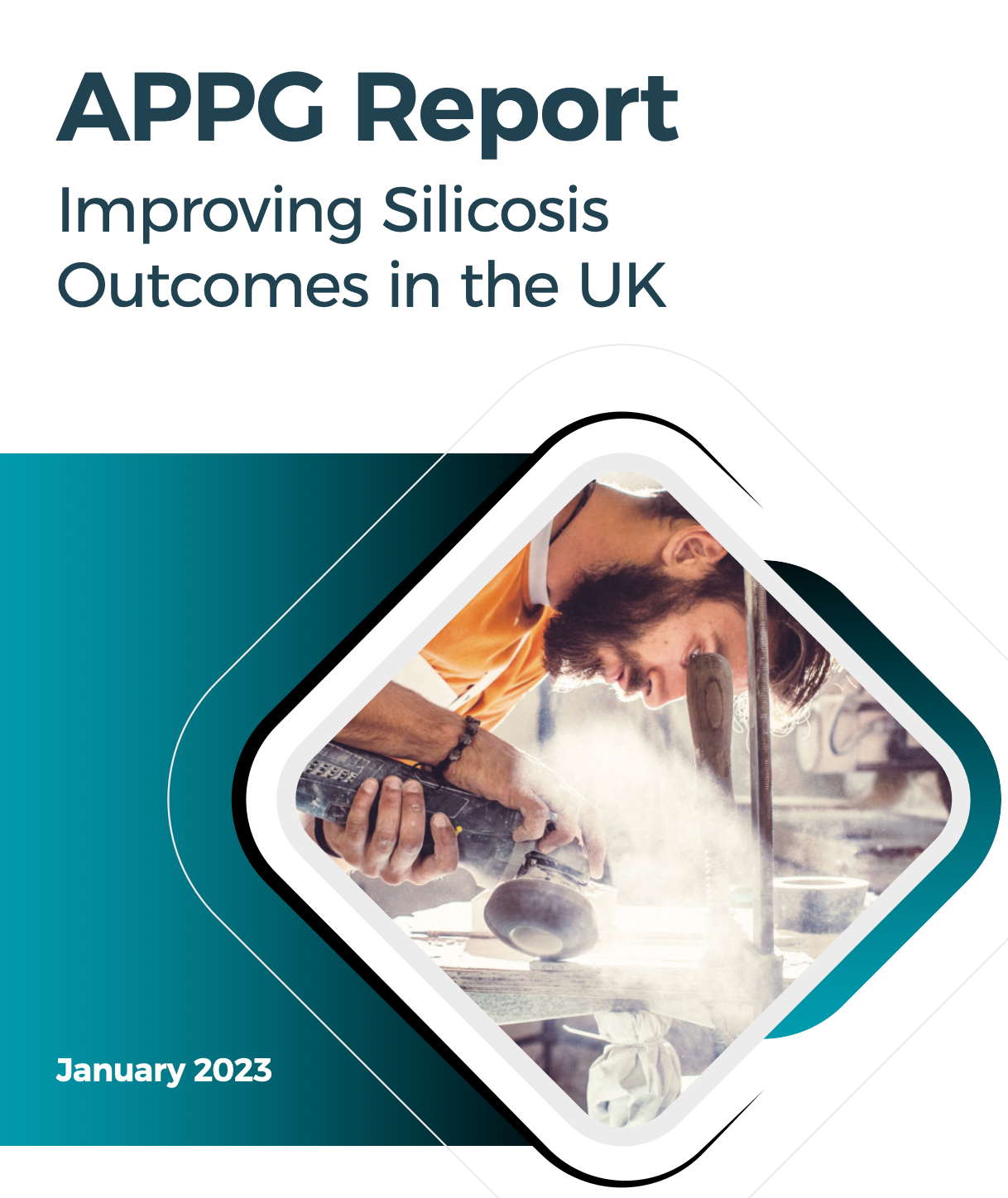
Did you know that a staggering 12,000 deaths yearly result from occupational lung disease? This is as reported by the HSE, which also advises that regularly inhaling construction dust could lead to the development of various diseases. These include asthma, lung cancer, silicosis, and Chronic Obstructive Pulmonary Disease (COPD).
From these diseases, a worker may be subject to permanent disability and premature death.
Tasks that Create High Dust Levels
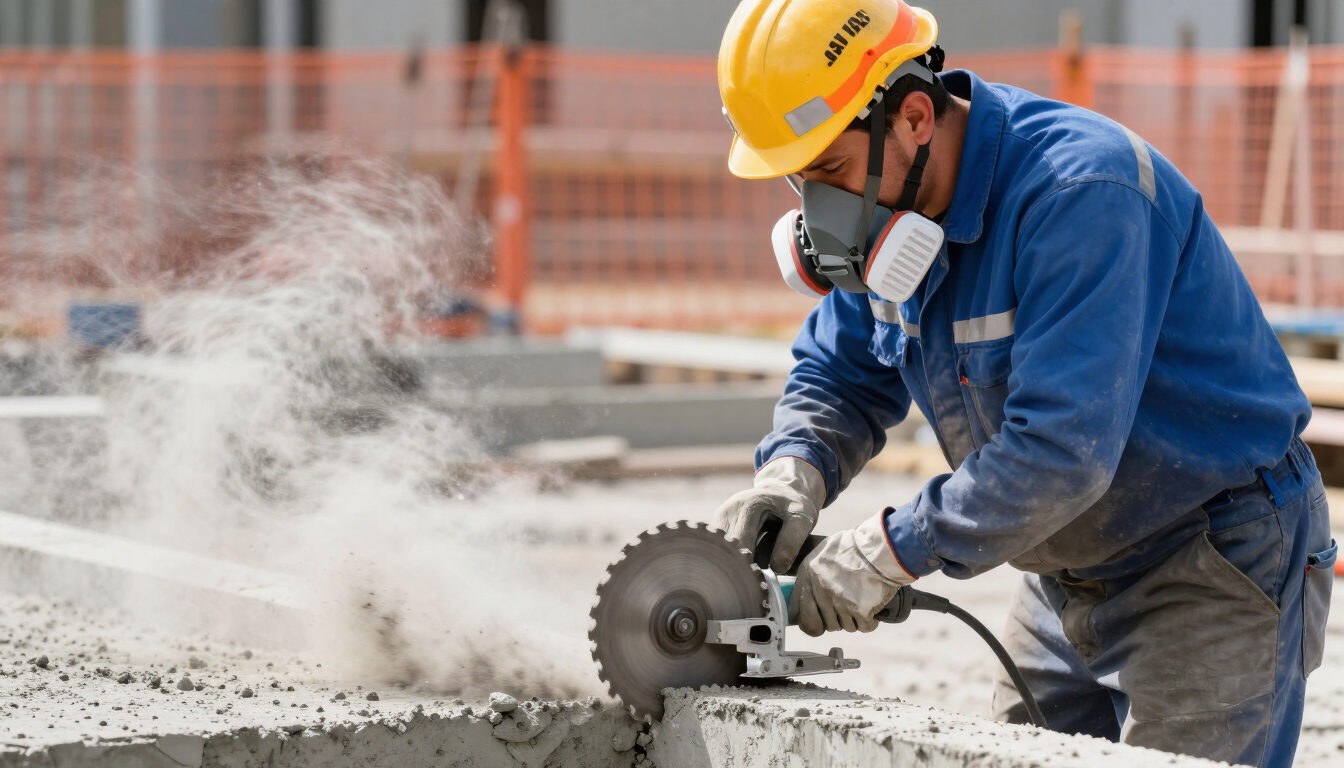
Anyone working in the construction industry is at risk of high dust inhalation, and that is due to the many different tasks that produce high levels of dust. These include:
- Cutting tiles and paving blocks
- Scabbing or grinding
- Chasing concrete and raking mortar
- Dry sweeping
- Sanding
- Soft strip demolition
The risk of occupational diseases caused by dust inhalation is high for those working in these settings. So, what options are available to minimise the risk and protect themselves?
What is a Personal Dust Detector?
Exposure to dust is often inadvertent as we naturally avoid large dust clouds and plumes. But what about when the dust isn’t visible and is stagnantly airborne? In this instance, it is difficult to avoid, and you are subject to constant inhalation.
With the DustCanary personal dust detector, you can remain vigilant to accidental exposure to respirable dust. Plus, you can do so without heavy and bulky equipment! A personal dust detector is a wearable piece of technology that highlights the variability and hotspots of dust exposure. It provides a temporal record profile of dust exposure during a construction worker’s average day.
When the dust levels precede the pre-set safe levels, the DustCanary detector will warn the wearer with audible and visual alarms. They can then remove themselves from the environment and the threat of respirable dust or don appropriate respiratory protection equipment (RPE).
How Does the DustCanary Personal Dust Detector Work?
The DuctCanary detector works in real-time to detect, monitor and alarm about the levels of respirable dust in the given space. It does this through a robust Optical Particle Counting technology, which provides the qualitative monitoring of dust in an exposure range of 0–4mg/m3.
The personal detector is sensitive to dust levels below 0.05mg/m3. It enters a dust protection mode at higher dust levels of 1mg/m3-4mg/m3. Each detector also has an inlet filter that should be regularly changed to remove non-respirable particles.
Benefits of a Personal Dust Detector
Utilising a personal dust detector is a worthwhile investment for those working on the front line of dust exposure and others who may be in contact with dust less often, for example, managers and site supervisors.
There are a number of benefits of using a personal dust detector that extend beyond the most important job of keeping the wearer safe in the first instance. The technology can also monitor the variations in dust exposure to understand and track the different sources of dust to help inform mitigation plans.
Changes in dust levels are also monitored instantly by the personal dust detector, triggering preventative action immediately. The detector gives a reliable indication to the wearer on the most suitable course of action, such as to completely move away from the area with high dust levels or whether donning RPE is more appropriate.
Plus, the personal detectors are capable of long-term monitoring, ensuring you can keep accurate records of how much dust a single person has inhaled over a given period. This allows for accurate data collection to improve safety on site.
Practicality
While beneficial for several reasons, the practicality of the DustCanary personal dust detector makes it a worthwhile investment for your workforce. Lightweight and easy to wear, the dust detector securely attaches to workwear without impacting productivity. Plus, each personal detector has a battery life on average of around 12 hours, ensuring a full shift is completed before it needs to be recharged.
Invest in Safety Today
Ensure total safety compliance with Workplace Exposure Limits (WELs) with personal dust detectors from Ultra Protect. We offer a wide range of dust management equipment, including dust blockers and industrial vacuums.
For more advice on how you can ensure workplace compliance and keep your team safe from respirable dust, contact us today. Our expert team can advise you on best practices and solutions to improve workplace safety.
Related
The Dangers of Dust in the Workplace
The body content of your post goes here. To edit this text, click on it and delete this default text and start typing your own or paste your own from a different source.